Discover Exactly How Repiping Services Can Change Your Plumbing System right
Repiping services play a vital function in keeping a home's pipes system. They involve changing broken or old pipes to improve general performance. House owners may observe numerous signs indicating the need for such solutions. Comprehending these indicators and the advantages of repiping can greatly improve water high quality and stress. Yet, lots of remain not aware of the various products and processes involved. Checking out these facets discloses real possibility of a recently repiped system.
What Is Repiping and When Is It Necessary?
Repiping describes the procedure of replacing damaged or old pipes in a pipes system, which is typically needed when the existing pipes have deteriorated as a result of age, corrosion, or leakages. This procedure is vital for maintaining the integrity and functionality of a plumbing system. In time, pipes can establish problems that endanger water flow and quality, causing potential carcinogen and costly fixings.
Repiping might include numerous products, including copper, PEX, or PVC, each picked based upon specific requirements and local building codes. Home owners could consider repiping when frequent repairs are needed, water pressure is regularly reduced, or there are recognizable discolored or smelly water concerns. By resolving these problems through repiping, people can boost the general efficiency of their pipes systems, minimize the danger of future failures, and ultimately minimize long-term maintenance expenses.
Indications You May Requirement Repiping Solutions
When pipes problems begin to show up, such as persistent leaks, reduced water stress, or discolored water, it may show the requirement for repiping solutions. House owners may see frequent pipe ruptureds or corrosion, which can lead to considerable damage if not resolved promptly. Furthermore, if water spots show up on wall surfaces or ceilings, this can represent covert leaks that require prompt attention. Unusual noises, like gurgling or banging pipelines, can also mean underlying issues.
One more indication is the visibility of mold and mildew or mildew, frequently arising from dampness triggered by dripping pipelines. If the home has older plumbing, particularly galvanized steel or polybutylene pipelines, the danger of wear and tear increases. Finally, if water quality lessens, bring about unpleasant smells or tastes, it's necessary to speak with an expert. Acknowledging these indicators early can aid homeowners prevent much more substantial damages and costly fixings.
Benefits of Repiping Your Home
Thinking about the age and problem of plumbing systems, lots of home owners find that repiping deals significant benefits. Among the primary advantages is boosted water top quality; older pipelines may harbor corrosion and pollutants, while new products guarantee cleaner, much safer water - repipe specialist in houston. Repiping also enhances water pressure, enabling a much more satisfying experience when utilizing showers or taps, as old, corroded pipelines commonly limit flow
Additionally, repiping eliminates leaks, minimizing the danger of water damage and mold growth within the home. This proactive approach can result in reduced water costs, as property owners will not be losing water through hidden leakages. Contemporary piping materials are more resistant and long lasting to future problems, offering tranquility of mind. Generally, repiping not only modernizes a home's plumbing system but likewise gives long-term cost savings and enhanced home value, making it a sensible investment for house owners dealing with pipes challenges.
Various Types of Piping Materials
When taking into consideration repiping choices, property owners should evaluate numerous piping products available on the marketplace. Copper piping is understood for its resilience and resistance to rust, while PEX provides flexibility and convenience of setup. Furthermore, PVC pipe serves certain applications, especially in drain and airing vent systems.
Copper Piping Benefits
Although numerous materials are available for plumbing systems, copper piping stays a top choice due to its many advantages. Prominent for its durability, copper can stand up to heats and is resistant to deterioration, ensuring a lengthy life-span. Furthermore, copper has natural anti-bacterial homes, which help maintain water high quality by preventing the growth of unsafe germs. Its pliability permits very easy installment, making it ideal for various plumbing configurations. Copper pipelines likewise have a high resale value, boosting the overall well worth of a home. Moreover, they are recyclable, making them an environmentally friendly choice. On the whole, the mix of strength, health benefits, and sustainability strengthens copper piping's online reputation as a trusted option for pipes systems.
PEX Pipe Benefits
In enhancement to copper piping, PEX (cross-linked polyethylene) has gained appeal as a trusted alternative in modern pipes systems. Its adaptability enables much easier setup, especially in limited rooms, reducing the demand for joints and installations that can be susceptible to leakages. PEX is additionally resistant to rust and range accumulation, which boosts its long life compared to traditional materials. Additionally, it can endure low temperatures, making it appropriate for various environments. The material is lightweight, making transport and dealing with simpler. PEX piping is much less noisy than steel pipelines, reducing water hammer sounds. Overall, these benefits make PEX an eye-catching choice for house owners looking for durable and efficient pipes solutions.
PVC Pipe Applications
PVC (polyvinyl chloride) pipes are widely made use of in numerous pipes applications as a result of their versatility and cost-effectiveness. Commonly utilized in domestic and industrial settings, PVC pipes serve in drain systems, garbage disposal, and venting. Their light-weight nature promotes simple setup, while their resistance to deterioration and chemicals guarantees longevity. In addition, PVC is an outstanding selection for watering systems, as it can stand up to differing dirt problems and pressure levels. In drinkable water supply, nevertheless, its usage is less usual as a result of regulatory limitations. In spite of this restriction, PVC stays a preferred alternative for lots of pipes jobs, offering a dependable remedy for both new buildings and repiping efforts, making it a crucial product in modern pipes framework.
The Repiping Process Explained
When a pipes system shows indicators of degeneration, the repiping procedure ends up being vital to restore its functionality and honesty. This procedure typically starts with an extensive evaluation of the existing plumbing to determine the extent of the damages. As soon as the assessment is total, a plan is developed to change old, corroded pipelines with brand-new materials, often selecting between copper, PEX, or PVC.
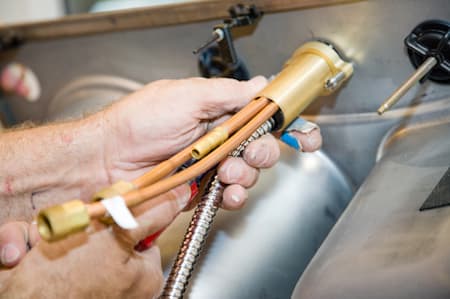
The system undergoes screening for leakages and capability. After confirming that every little thing runs correctly, the wall surfaces are repaired, and the area is recovered to its original problem, completing the repiping procedure.
How Repiping Can Boost Your Home's Value
Repiping offers significant advantages that can improve a home's overall value, particularly as prospective customers progressively seek modern and reputable pipes systems. Homes with outdated or deteriorating pipes frequently prevent potential customers, who might bother with costly fixings or wellness concerns originating from rust, leakages, or contamination. By buying repiping, property owners can eliminate these issues, providing a well-maintained residential property that satisfies modern requirements.
Furthermore, repiping can result in improved water pressure and quality, variables that significantly attract buyers. A plumbing system that operates successfully and accurately frequently translates to lower maintenance prices, including in the building's good looks. Furthermore, repiping can update a home's visual appeal by changing undesirable pipes with more recent products. Inevitably, a well-executed repiping job not only safeguards a home's infrastructure yet also serves as a solid marketing factor, making the residential property a lot more competitive in a dynamic real estate market.
Selecting the Right Pipes Expert for Repiping
Selecting the best pipes specialist for repiping involves careful consideration of their credentials and experience. Homeowners should additionally look for comprehensive cost quotes to guarantee they comprehend the economic ramifications of the task. Making educated choices in these locations can lead to an effective repiping experience.
Qualifications and Experience
Choosing a qualified plumbing expert for repiping is necessary to ensuring an effective task. Credentials play a significant duty in determining a plumbing technician's proficiency; licensed specialists have fulfilled particular training and governing criteria. In addition, certifications from recognized organizations can suggest innovative expertise and abilities in pipes systems. Experience is similarly important; experienced plumbing professionals have likely run into varied obstacles, honing their analytic abilities. House owners need to make inquiries regarding previous tasks, requesting references to evaluate fulfillment levels among previous clients. A professional's experience with various materials and strategies, together with their capacity to stay updated on market improvements, better boosts their integrity. Ultimately, selecting a plumbing professional with solid credentials check here and sufficient experience fosters confidence in the repiping procedure and its results.
Expense and Quotes
While evaluating the cost of repiping services, homeowners should take into consideration numerous aspects that affect pricing. These elements include the kind of products utilized, the level of the plumbing work called for, and the complexity of the existing plumbing system. Additionally, labor costs can differ considerably here based on the pipes professional's experience and area. Obtaining thorough estimates from several specialists is essential for making an educated choice. House owners should also make inquiries regarding guarantees and potential additional costs that might emerge during the job. Inevitably, selecting a credible pipes expert who supplies transparent pricing and comprehensive estimates will certainly aid guarantee an effective repiping task, leading to improved plumbing performance and durability.
Frequently Asked Inquiries
For how long Does a Normal Repiping Task Require To Complete?
A typical repiping project generally takes in between one to 3 days to complete, relying on the size of the home and the complexity of the plumbing system. Elements such as access likewise affect the duration.
Will I Required to Abandon My Home During Repiping?
Commonly, homeowners may need to vacate their home during repiping, especially if comprehensive job is being done. The period of the emptying depends upon the job's range, however it commonly lasts a couple of days to a week.
Can Repiping Repair Reduced Water Stress Issues?
Repiping can efficiently deal with reduced water stress issues by changing old, rusty pipes that restrict flow (Repipe Pros). This procedure boosts water distribution, making certain improved pressure and overall efficiency of the pipes system throughout the home
Is Repiping Covered by Homeowner's Insurance policy?
Repiping is commonly not covered by property owner's insurance coverage, as it usually falls under maintenance instead than sudden damage. However, specific plans might vary, so speaking with the insurance coverage service provider is advised for clearness.
What Should I Do to Prepare for Repiping?
To plan for repiping, house owners must clear the job location, warranty access to plumbing fixtures, go over the project with specialists, and recognize the potential effect on everyday routines and water schedule during the process.
Repiping solutions play an essential role in keeping a home's pipes system. Repiping refers to the process of replacing old or broken pipes in a plumbing system, which is frequently necessary when the existing pipes have deteriorated due to age, rust, or leaks. Selecting a certified plumbing specialist for repiping is essential to guaranteeing an effective project. These aspects consist of the type of materials made use of, the level of the plumbing work called for, and the complexity of the existing pipes system. A regular repiping job typically takes between one to click here three days to finish, depending on the dimension of the home and the complexity of the pipes system.